PFAS & AFFF Disposal
Clean Management offers compliant PFAS and AFFF waste disposal services across the United States.
PFAS
PFAS, which stands for Per- and polyfluoroalkyl substances, are a group of man-made chemicals that have been widely used in various industrial and consumer products, such as heat resistance and non-stick properties used in non-stick cookware and firefighting foam (AFFF). However, due to their persistence, bioaccumulation, and toxicity, PFAS has become a major environmental and health concern.
Harmful effects of PFAS:
- Health Risks: Exposure to PFAS has been linked to several health risks, such as liver damage, thyroid disease, decreased fertility, and increased risk of certain cancers, and it can also interfere with the body’s natural hormones.
- Water Contamination: PFAS can persist in the environment for an extended time and can contaminate soil and water. Drinking water contaminated with PFAS has been linked to several health risks.
- Environmental Risks: PFAS can have a harmful effect on wildlife and the environment, and the production and disposal of PFAS can lead to the release of toxic chemicals into the environment.
- Proliferation: PFAS are highly stable, so they don’t break down easily. As a result, they can persist in the environment for a long time and spread across large areas.
To mitigate the harmful effects of PFAS, governments and organizations worldwide are taking regulatory actions to limit the use and exposure to these chemicals. For example, in the United States, the Environmental Protection Agency (EPA) has set a health advisory level for PFAS in drinking water and is working with communities to address the contamination. In addition, many companies have also voluntarily phased out the use of certain types of PFAS in their products.
PFAS Disposal
One method for disposing of PFAS is Incineration. This method involves burning the waste at high temperatures, which breaks down the PFAS into less harmful substances.
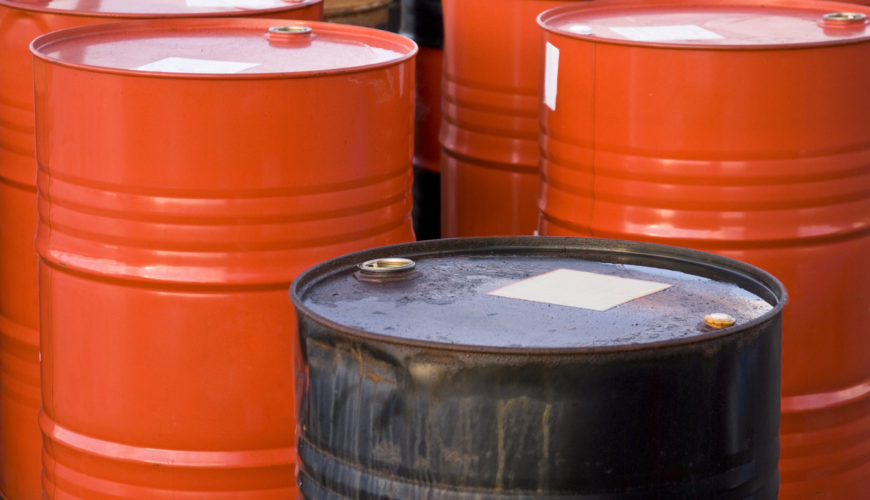
AFFF
Aqueous film-forming foam (AFFF) is a firefighting foam that contains PFAS, which has been found to be toxic.
Federal, state, and local regulations regulate the disposal of AFFF. Depending on the concentration of PFAS in the AFFF, it may be classified as hazardous waste, which requires special handling and disposal procedures. It is important to note that proper storage and handling of AFFF can reduce the amount of PFAS waste that needs to be disposed of. AFFF should be stored in secure containers to prevent leaks and spills,
AFFF Disposal
One method for disposing of AFFF is Incineration. This method involves burning the AFFF at high temperatures, which breaks down the PFAS into less harmful substances.
If your business has PFAS waste or AFFF and you are looking for a waste management company that specializes in PFAS or AFFF waste disposal services, contact Clean Management. We offer fast and free quotes, and you can rest assured that we will execute your PFAS or AFFF waste removal in a regulation-compliant manner.